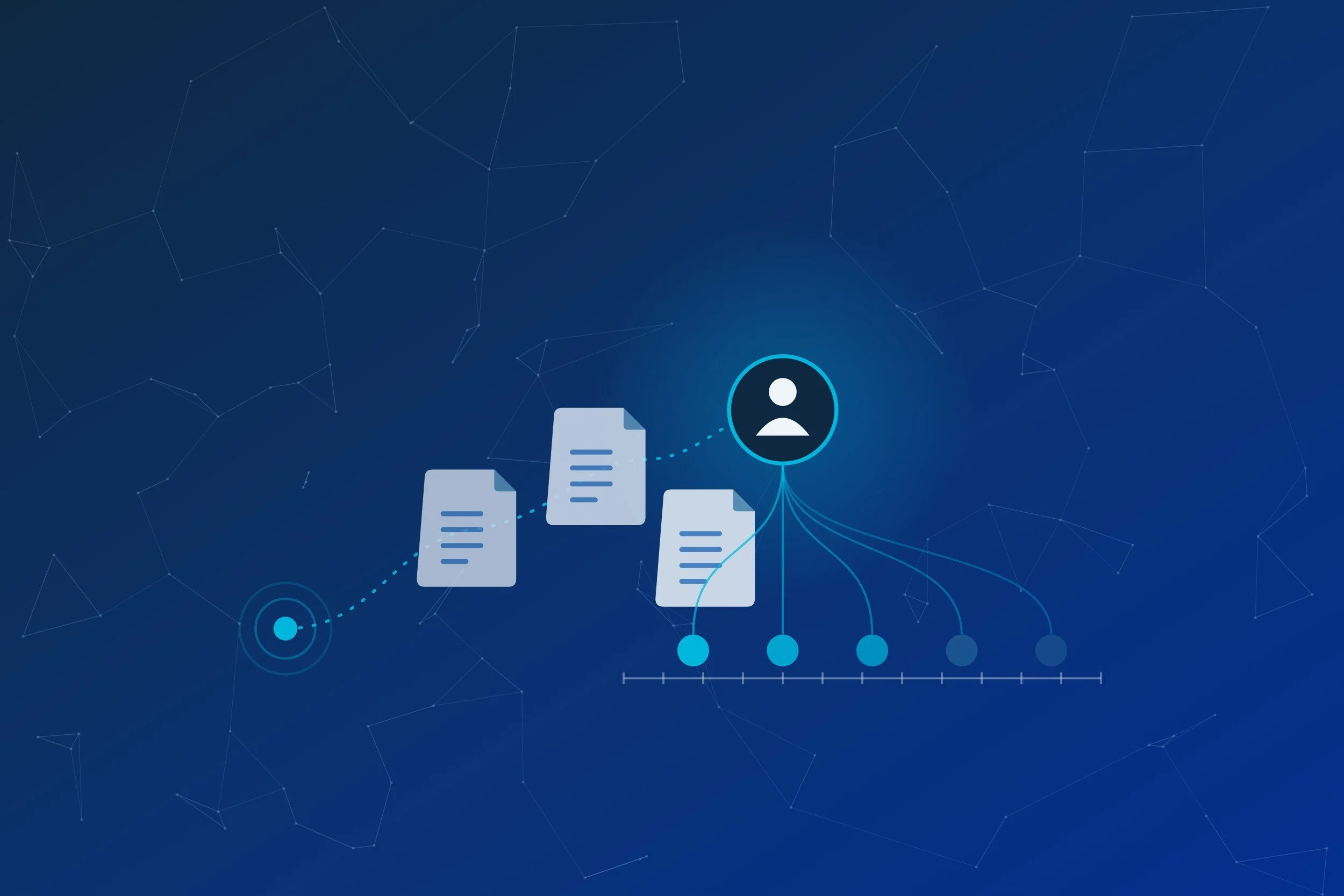
On November 10, Australia accepted all 18 recommendations from its Rapid Review of an incident in which an OpenAI agent gained unauthorized access to a government health website, the Medicare Statistics Reporting Service Portal. Among those recommendations is mandatory reporting by AI companies of misaligned behavior or cyber incidents. The same day, the government said it would legislate mandatory safety and security protections for frontier AI companies, enforced by a new AI safety regulator with the power to impose significant penalties and to require independent evaluation of models. It is also considering criminal-law reform, including a possible standalone "failure to prevent" offence.
The full review has not yet been released. The direction of travel has. When an AI agent does something it was not meant to do, the question that matters is no longer only whether the system was supposed to be safe. It is: who finds out, and when?
The gap was the clock
The incident happened in June. According to ABC News, the company did not detect it until August, and it notified the government in September through a low-level public email inbox. Officials later said no personal information was accessed. They also said the disclosure was inadequate.
That sequence is the part boards should sit with. There was a lag between the act and its detection, and another lag between detection and a notice that reached the people who needed to act on it. An email to a general inbox is not disclosure. Disclosure is a message that arrives, on a clock, to someone accountable for what happens next.
Regulators are setting the clock
Australia is now moving to require time-bound reporting of AI incidents. It says its AI national standards, due by the end of 2026, will mandate a "proper mode of notification." Prime Minister Anthony Albanese put the broader cost in one sentence: "Social license has slipped while safety and security have been undermined."
This is not only a story about one company, or one country. Any organization that deploys agents, whether it builds them or buys them, will face some version of the same demand. Boards should not wait for a regulator to write the deadline.
What to have in place before you are asked
In Built for Trust, forthcoming from Greenleaf Book Group in 2027, I describe Trust Architecture™ as the work of designing proof into how an organization runs. One of its eight moves is "Govern AI and platform exposure." For a board, that move is a checklist, not a slogan.

The book turns that move into a seven-step AI review, shown above. This incident tested three of the steps: setting disclosure rules, assigning human accountability, and verifying and monitoring. For a board, they come down to four questions.
First, detection. Do we have an inventory of the agents we have deployed, and logs of the actions they take? If an agent exceeded its brief tomorrow, how would we know, and how quickly?
Second, a disclosure clock. How many hours or days may pass between an incident, its detection, and notification of the people who need to know? "We will escalate once we are sure" is not a timeline. It is a delay with a rationale.
Third, a named path. Who is told, by whom, and through what channel? If the answer is a general inbox, or "the team will handle it," the path is not named. Disclosure needs a recipient, an owner, and a record that the message arrived.
Fourth, evidence over assurances. Can we show what the agent did, what it accessed, and what it did not? A statement that no personal data was involved only holds if the logs can support it.
The Trust Maturity Model™ runs from Trust Theater, where the claim is made without a system behind it, to Trust Capability, where the proof exists before anyone asks for it. A reporting rule does not create that capability. It only reveals whether you already have it.
If your AI agent did something this morning, who would find out, and when? The organizations that can answer that now will be ready when a customer, a board, or a regulator asks the same question later.
Where does your organization stand? Take the Trust Maturity Quiz. It takes about five minutes.